A garage door is one of the heaviest moving parts in your home, so regular safety checks are important. Gold Star Garage Doors provides garage door safety inspections in Davenport, FL to make sure the door and its safety features are working properly.
Licensed & Insured · Flat-Rate Pricing Quoted Before We Start
Overview
Modern garage doors have safety features designed to prevent the door from closing when something is in its path. Photo-eye sensors can become misaligned, while changes to the door or opener can affect the automatic reverse function.
We test both safety systems along with the door’s balance and operation. If the door is difficult to close or another mechanical issue is affecting its performance, we identify the problem and explain what needs to be addressed.
Warning signs
When to call
No service in over a year
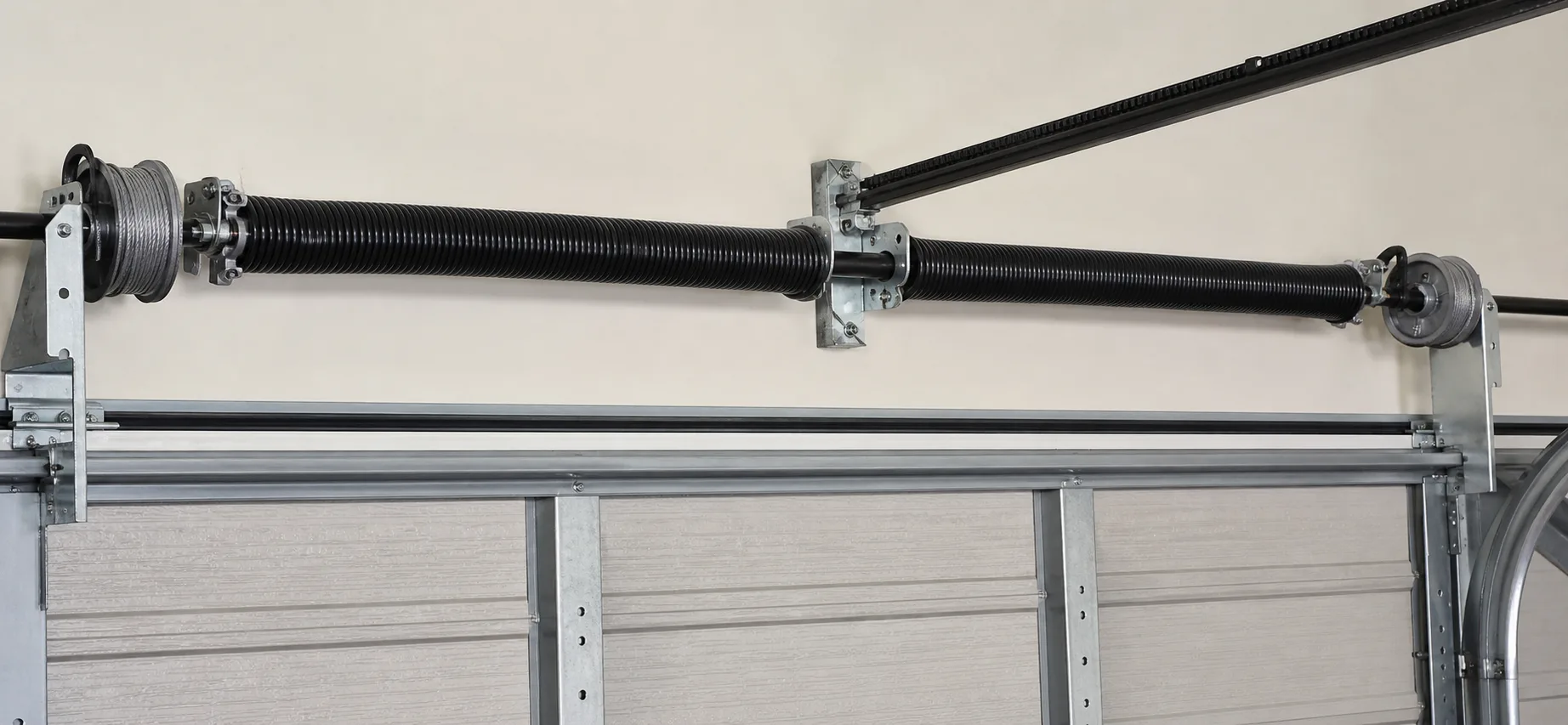
Springs and cables wear invisibly — fatigue in the coil and fraying at the bottom brackets do not announce themselves until they fail. An annual look catches a fraying cable for the price of a cable, instead of after it lets go with the door in motion.
A door that has got noisy
Noise is wear announcing itself: rollers gone oval, dry hinges, fasteners working loose in the jamb. None of it is urgent on its own, which is exactly why it gets ignored until one of them becomes urgent.
Children, pets, or high foot traffic in the garage
Your safety sensors and auto-reverse mechanism are all that keep a heavy closing door from injuring someone. Sensor alignment and force limits can drift over time. Regular testing ensures your safety features respond instantly if a child, pet, or vehicle gets in the way.
Buying or selling a home
Standard home inspectors usually just make sure the garage door opens and closes, but they rarely test spring balance, auto-reverse force, or cable wear. A thorough inspection of the heaviest moving object in your home provides peace of mind on either side of a real estate sale.
Our process
How the visit goes
1
Test balance manually
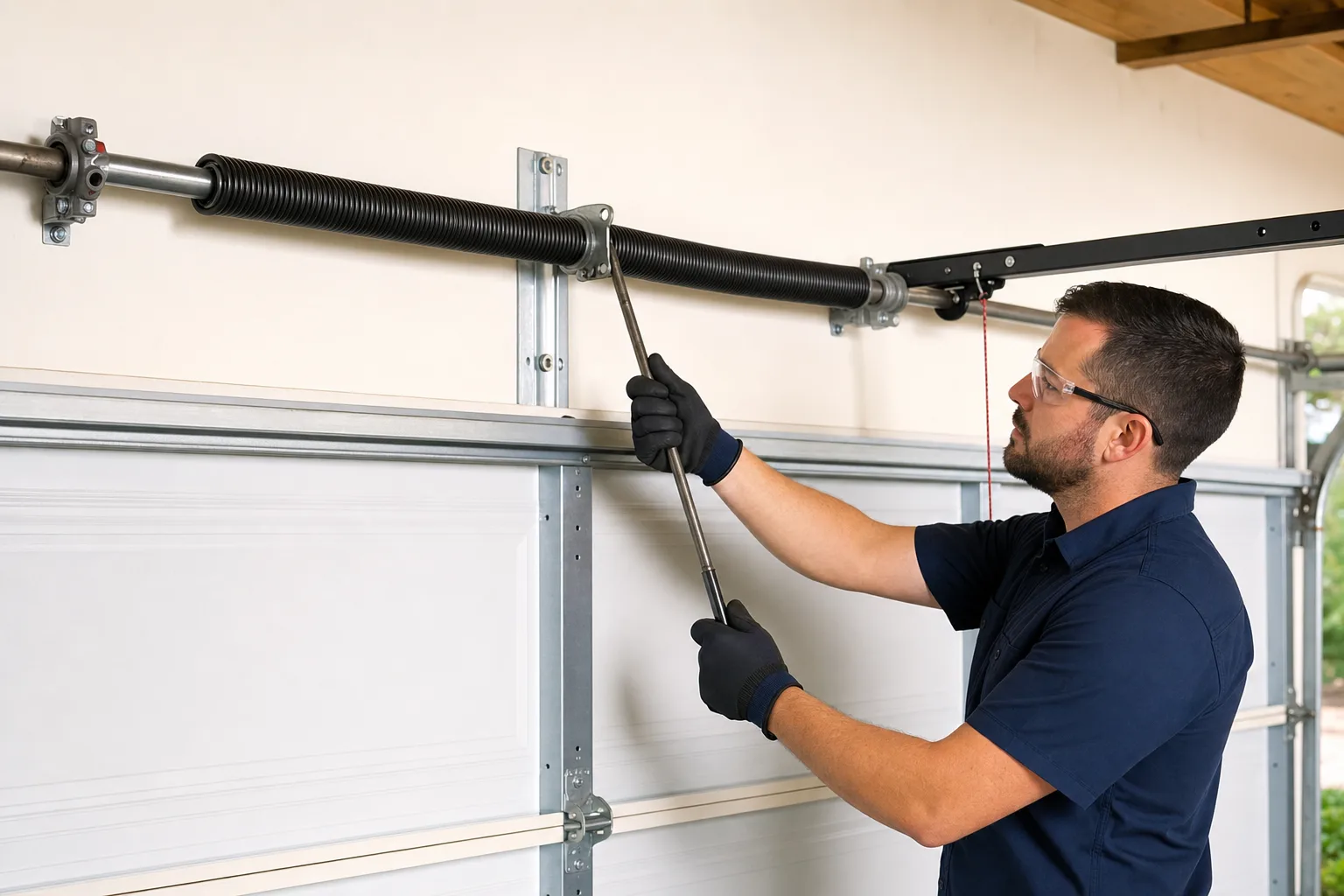
We release the opener and move the door by hand. It should lift smoothly and hold still at halfway. A door that drifts down is under-sprung and straining the opener on every cycle; one that flies up is over-wound. Either way, the springs need adjusting.
2
Check sensors and reversal
Photo-eye alignment and response, then the force test: the door must reverse off a board laid flat on the floor. That is the standard reversal test, and a door that fails it should not be closing on its own over anything living.
3
Inspect cables and hardware
Cables get checked for fraying at the bottom brackets, where moisture collects and strands break first. Drums, hinges, rollers, and every lag into the jamb get looked at, because loose hardware is how aligned doors become misaligned ones.
4
Report by priority
You get the findings in three buckets: what is unsafe now, what is wearing and worth scheduling, and what is fine. No invented urgency — most inspections end with a short list, not a long one.
Scope
What the job includes
A flat inspection fee covering both safety systems, a balance test, and a written summary of our findings.
We charge a simple, flat fee quoted right when you book. You’ll receive a complete breakdown of your door's condition with zero obligation to hire us for any repairs—and in most cases, any issues we find are minor adjustments or simple tune-ups.
How long does a safety inspection take?
A thorough inspection takes about 30 to 45 minutes. During this time, we check your door's balance, test the photo-eye sensors and force-reversal mechanisms, inspect all cables and hardware, and perform a full lubrication pass on all moving parts.
How often should a garage door be serviced?
Once a year for a door in normal use. A door cycling six or eight times a day — the household's front door, effectively — earns a look every six months, mostly for spring fatigue and roller wear.
What can I safely check myself between visits?
Watch and listen: a door that has become crooked, noisy, or slow is telling you something. You can test the photo-eyes by breaking the beam with a broom handle while the door closes — it should reverse instantly. What you should not touch are the springs, the cables, or the bottom brackets they anchor to. All of them are under tension.
Needed help with a dented garage door. Rafael from Gold Star came by and quickly found what needed to be done, estimate came quickly and job was also done very quickly. Result was perfect. Highly recommend Gold Star and…
Bjørnar TjønnDavenport · Google review · a year ago
★★★★★
Gold Star replaced an old roll up door on my shed with a new electric door. Really great service, price, and workmanship. Thank you so much!
Peggy BradleyDavenport · Google review · 2 years ago
★★★★★
Been having problems with my garage door opener for about a week closing & reopening right away. I’ve adjusted the travel multiple times & still wouldn’t work. I called Raphael @ Gold Star Garage Door. He was over in…
Whether it’s a broken spring, off-track door, faulty opener, or anything in between, our 15+ years of experience allows us to pinpoint the problem fast—offering honest solutions and upfront pricing every time.